DEEP THINKER LAB
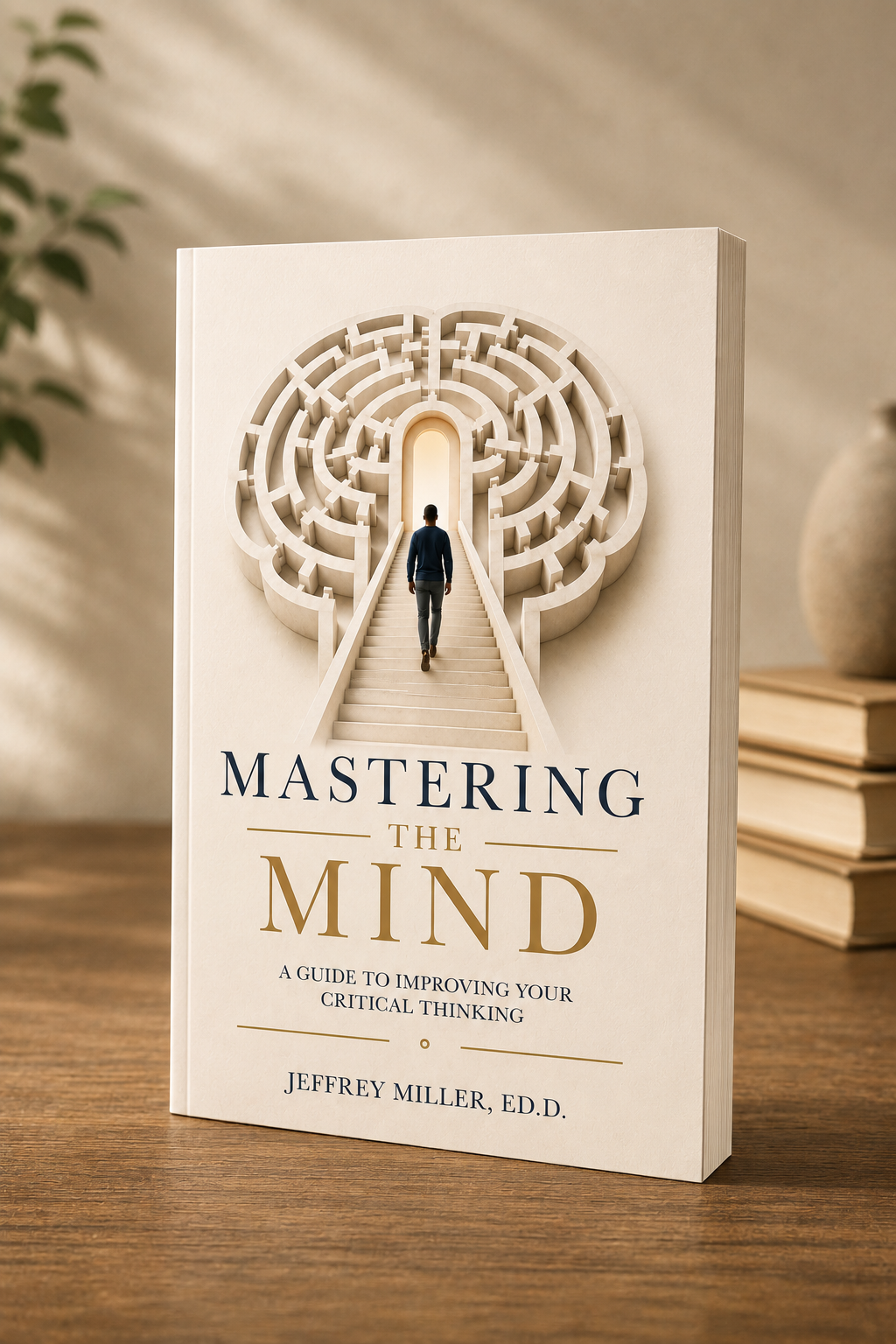
Mastering the Mind
A Guide to Improving Your Critical Thinking
how certain you feel |——THE GAP——| how accurate you are
This is a short book about the difference between sounding right and being right.
Available Paperback & Kindle
The Newsletter
I write at Deep Thinker Lab, a publication on thinking, leadership, and the work of becoming better at the work we say we do. The essays arrive once a week. They are longer than a tweet and shorter than a chapter, and they treat their readers as people capable of slow attention. If that sounds like the kind of thing you want in your inbox, the subscription is free.
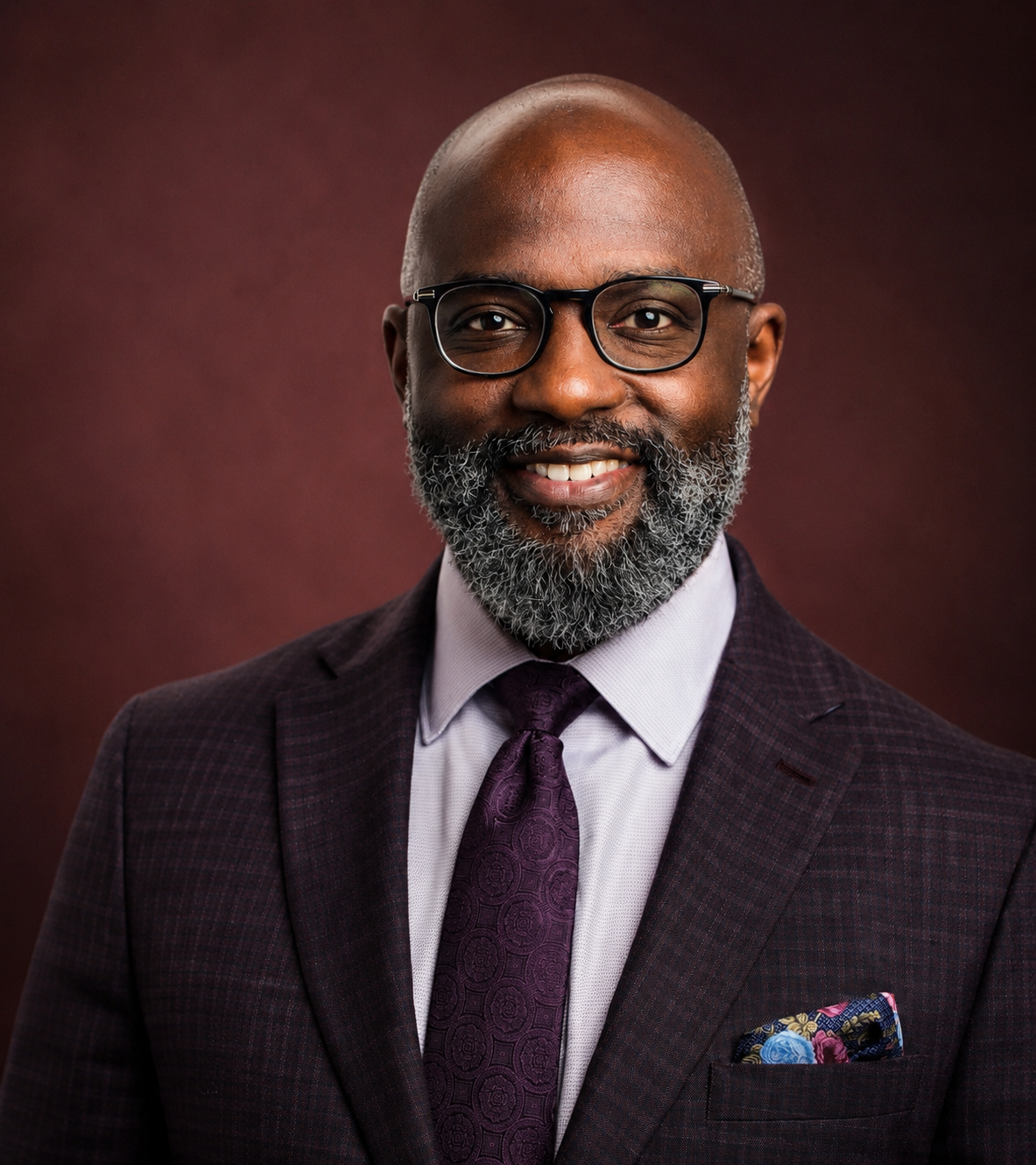
I am an educator who has spent twenty-seven years trying to answer one question: what does it actually take to help a person think well?
The question has followed me through every role. I started as a classroom teacher, where I learned what every honest teacher eventually learns, that students remember almost nothing of what we say and almost everything of how we made them feel. From there I moved into school leadership, then into higher education, and I now serve as Dean of Student and Faculty Empowerment in the School of Education at Dallas College, where I work across seven campuses on the practices that make educators stronger and students more capable.
The work has taken many forms over the years: building programs, supporting faculty, serving a Trustee term with the College Board, sitting on the Community College Advisory Panel, and reviewing scholarship for the TABSE Research Journal. Underneath all of it is the same conviction. Education is not the delivery of content. It is the formation of minds that can ask better questions, weigh evidence honestly, and act with wisdom when the situation is unclear.
These days I do that formation work in three places. I write at Medium and at Deep Thinker Lab, a Substack publication on critical thinking, attention, and the disciplined use of technology. And I have written one book and am working on my second from the same conviction. Mastering the Mind: A Guide to Improving Your Critical Thinking available now, with Think Like an Educator to follow in late 2027.